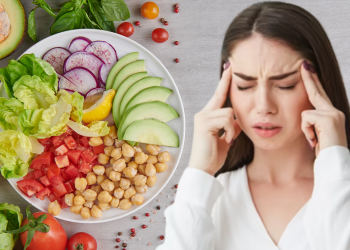

As a parent, ensuring that your child eats healthy and balanced food is crucial for their overall growth and body development. A perfect, nutritious diet can provide kids with the necessary vitamins, minerals, and nutrients. In this article, we will share the top 10 healthy foods for kids that are not only delicious but also packed with essential nutrients. So, let’s check out these top 10 healthy foods for kids.
Blueberries: The Antioxidant Powerhouse

Blueberries are a healthy foods for kids. These tiny fruits are packed with antioxidants that help protect the body’s cells from damage caused by free radicals. Also, they are a rich source of Vitamins C, K, Manganese, and Fiber. Even blueberries are a great snack or breakfast option too. Blueberries can be mixed into their cereal, pancakes, or muffins for an extra burst of flavor and nutrition.
Greek Yogurt: A Protein-Packed Snack
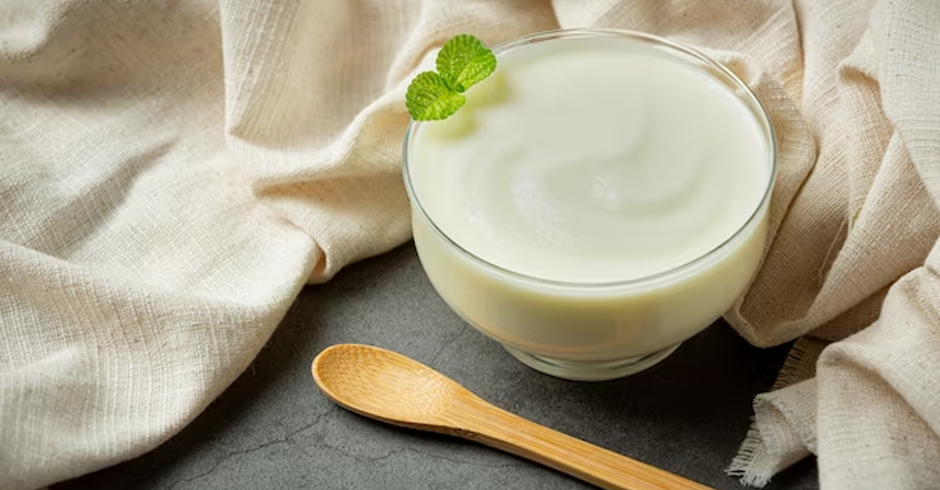
Greek yogurt is an excellent source of protein. They contain more protein than regular yogurt, as it undergoes a straining process that removes much of the whey, resulting in a thicker and creamier texture. Opt for plain varieties of Greek yogurt without added sugars or artificial flavors. You can sweeten it naturally by adding fresh fruits like berries, sliced bananas, or a drizzle of honey. Its versatility and nutritional benefits make it an ideal choice for your child’s daily diet.
Leafy Greens: Nutrient-rich and Versatile
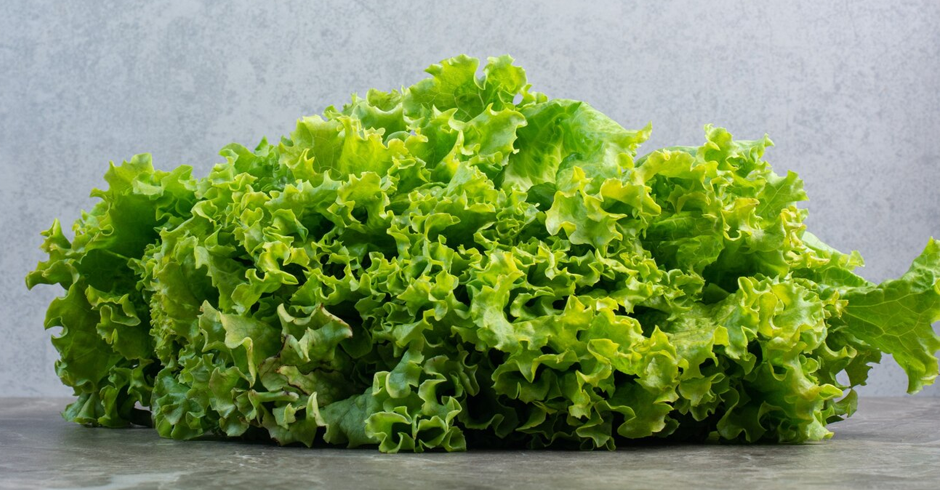
Leafy greens such as spinach, kale, and broccoli are nutritional foods that offer a wide range of vitamins and minerals. These greens are packed with fiber, folate, calcium, iron, and vitamins A, C, and K. To make leafy greens more appealing to kids, you can incorporate them into dishes they already enjoy. For example, add spinach to their favorite pasta sauce or blend it into a smoothie with fruits for a refreshing and nutrient-rich beverage.
Salmon: A Great Source of Omega-3 Fatty Acids
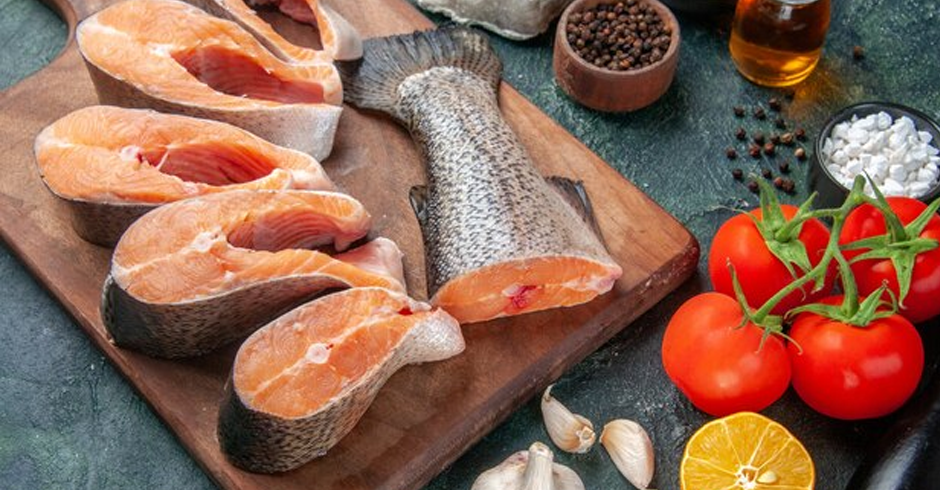
Salmon is a fish that is rich in omega-3 fatty acids, which are essential for brain development and function. They are suitable for healthy hearts and help reduce inflammation in the body. Including salmon in your child’s diet can provide them with these vital nutrients and support their cognitive and physical development.
Quinoa: A Gluten-Free Grain Alternative
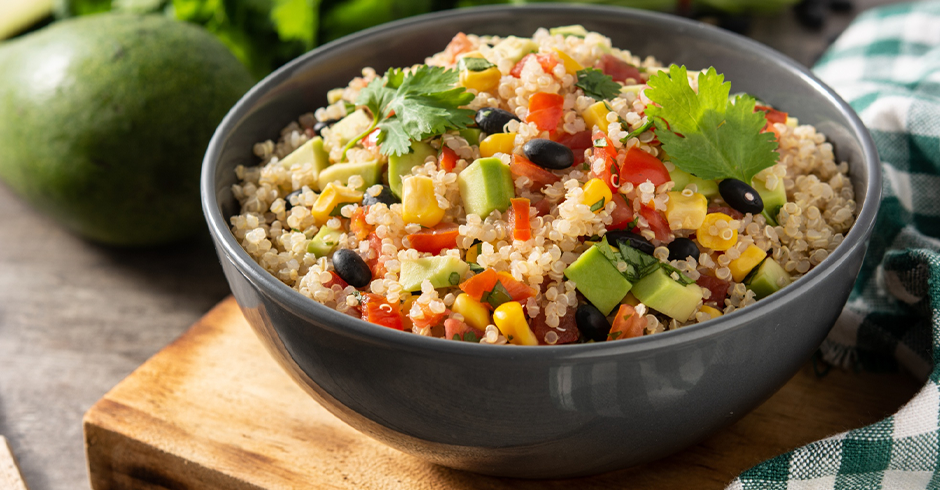
Quinoa is a gluten-free grain alternative that offers a range of health benefits for kids. It is a complete protein, meaning it contains all nine essential amino acids that contribute to healthy digestion, strong bones, and overall energy production. You can prepare it as a side dish, mix it into salads, or use it as a base for stir-fries. Its mild flavor and versatile nature make it an excellent addition to your child’s diet and a perfect alternative to traditional grains.
Sweet Potatoes: Packed with Vitamins and Fiber
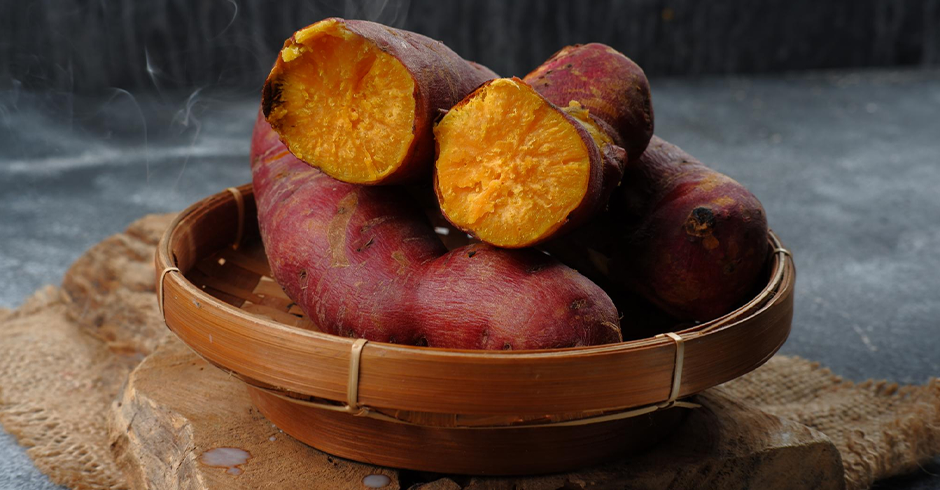
Sweet potatoes are a delicious and nutrient-dense food that kids are sure to love. They are rich in vitamins A and C, potassium, fiber, and antioxidants that contribute to healthy vision, immune function, and digestion. Sweet potatoes also have a natural sweetness, making them an appealing choice for young taste buds. By adding sweet potatoes to your child’s diet, you can provide them with a tasty and nutritious source of vitamins and fiber.
Lean Proteins: Chicken and Turkey for Muscle Development
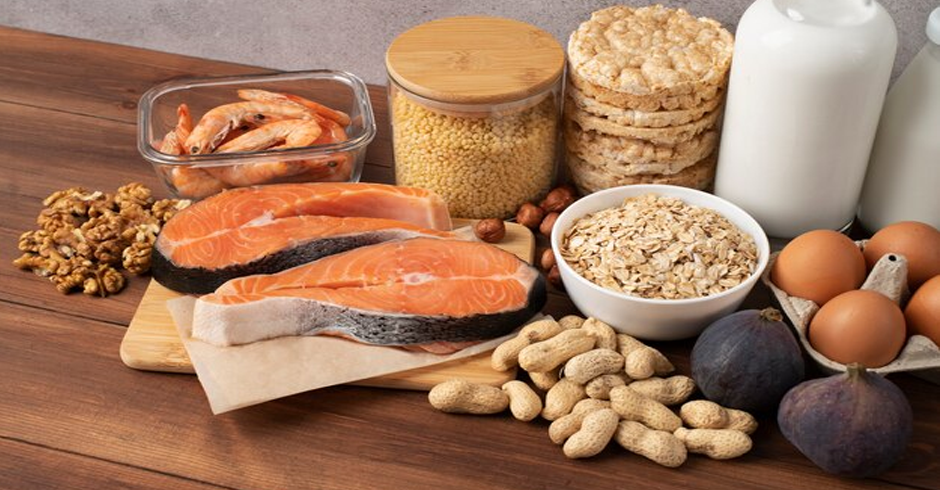
Lean proteins like chicken and turkey are also essential for muscle development and growth in children. Chicken and turkey also provide essential vitamins and minerals such as vitamin B6, niacin, and zinc, which support proper immune function and overall health. By including lean proteins in your child’s meals, you can ensure they receive the necessary nutrients for their growing bodies.
Beans and Legumes: Fiber and Plant-Based Protein
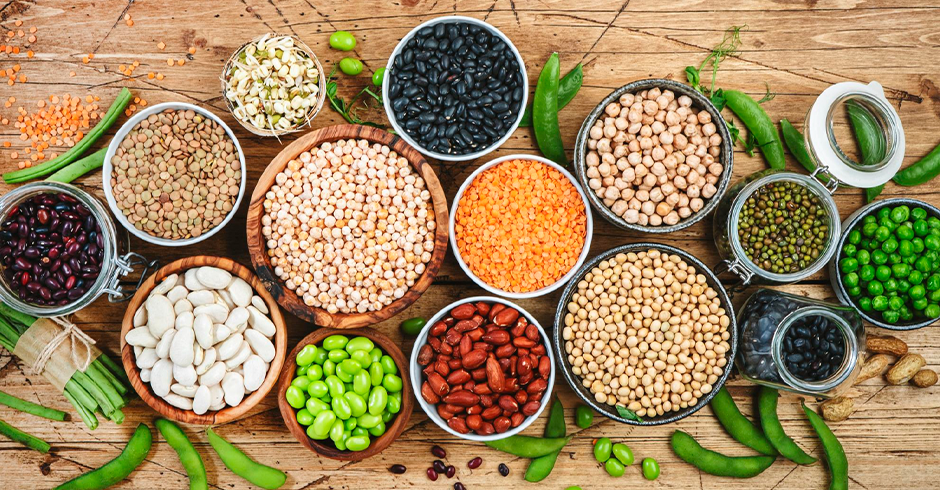
Beans and legumes are excellent sources of fiber and plant-based protein for kids. They provide a wide range of nutrients, such as iron, magnesium, folate, and potassium. Incorporating beans and legumes into your child’s diet can help promote healthy digestion, regulate blood sugar levels, and provide long-lasting energy. You can include them in soups, stews, or chili. You can also serve them as a side dish or incorporate them into salads and wraps.
Whole Grains: The Importance of Whole Wheat and Oats
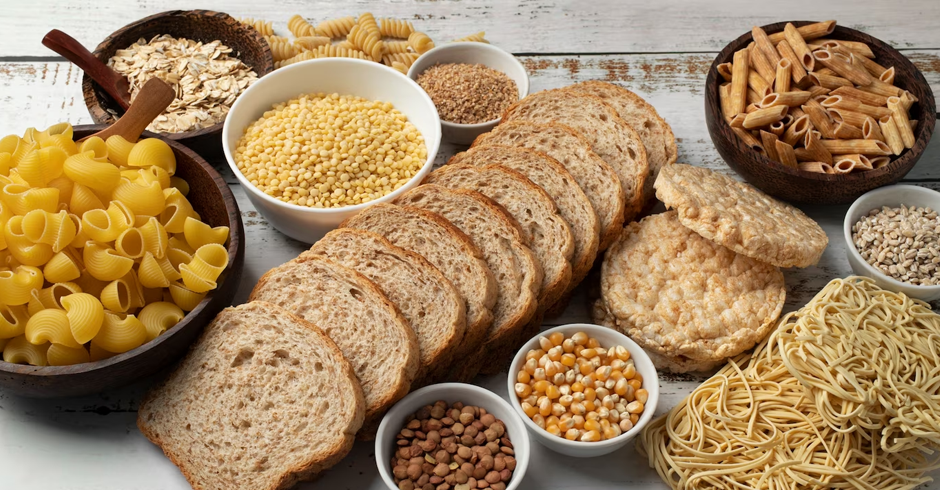
Whole grains, such as whole wheat and oats, are great sources of fiber, vitamins, and minerals, including B vitamins, iron, and magnesium. This grain can help regulate digestion, promote heart health, and provide sustained energy throughout the day. You can also incorporate oats into your breakfast routine by making oatmeal or adding them to smoothies. Baking with whole wheat flour or using whole grain crackers as a snack option are also great ways to introduce whole grains to your child.
Nuts and Seeds: Healthy Foods for Kids
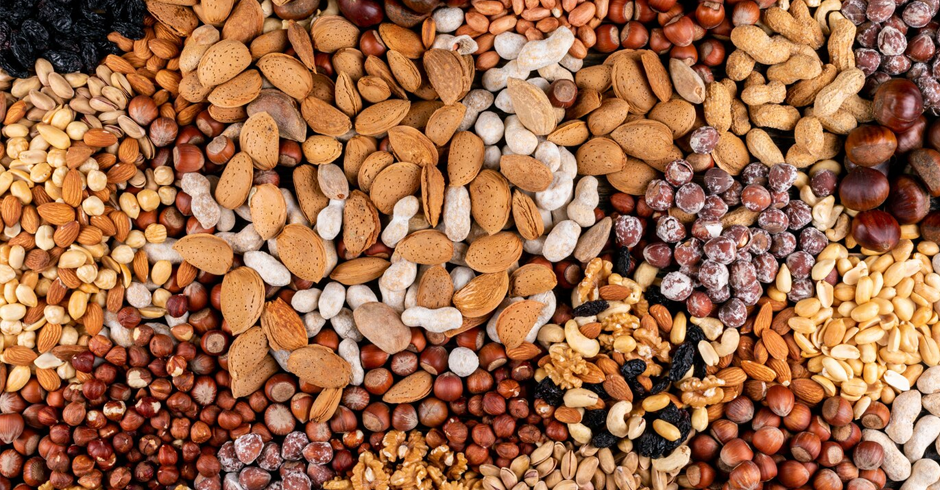
Nuts and seeds are nutritious additions to a child’s diet, as they provide healthy fats, essential minerals, and antioxidants. Almonds, walnuts, chia seeds, and flaxseeds are excellent choices. These foods contribute to brain health, support the immune system, and provide energy.